178 events from about the year 1000 to 2026, in order, grouped by era.
First Peoples & Contact · to 1600
Thirteen thousand years of habitation, and then a few decades in which who lived here, and on what terms, began to be rewritten by people arriving from the east.
c. 1000 CE · L'Anse aux Meadows, Newfoundland · Exploration
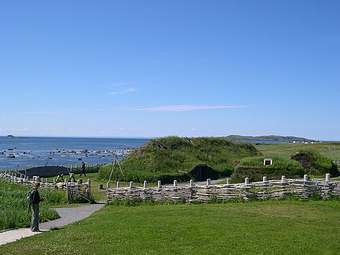
Norse landfall at L'Anse aux Meadows
Norse sailors from Greenland built a small turf settlement at the northern tip of Newfoundland, the only confirmed Viking site in North America. It was occupied briefly and abandoned, leaving the Atlantic crossing to be made again five centuries later.
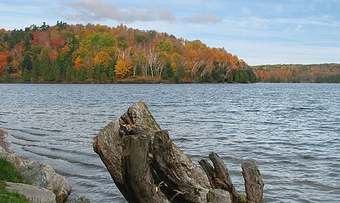
c. 1142-1450 (traditional) · Onondaga Lake · Indigenous
The Great Law of Peace
The Haudenosaunee, or Iroquois Confederacy, bound five nations under a constitution carried in wampum and oral law. Its councils and consensus procedures were studied by later constitution-makers, and the confederacy remained a major power across the lower Great Lakes into the 1700s.
June 24, 1497 · Bonavista, Newfoundland (traditional) · Exploration
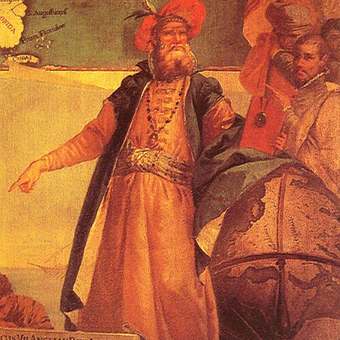
John Cabot reaches the new found land
Sailing from Bristol in the Matthew, Giovanni Caboto made landfall somewhere on the northeast coast and claimed it for Henry VII. The exact spot is still argued over, but word of the cod banks travelled fast and European fishing fleets followed within a decade.
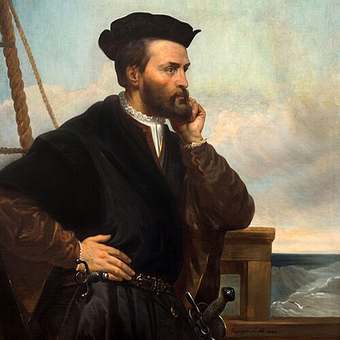
Jacques Cartier raised a nine-metre cross bearing the arms of France and took two sons of the Iroquoian chief Donnacona back across the Atlantic. Donnacona objected that the land was his; the gesture became the opening claim of New France.
On his second voyage Cartier sailed up the St. Lawrence to the Iroquoian towns of Stadacona and Hochelaga, wintering at Quebec where scurvy killed twenty-five of his men. A Haudenosaunee cure made from white cedar saved the rest.
August 1576 · Frobisher Bay, Nunavut · Exploration
Frobisher enters the Arctic
Martin Frobisher pushed into the bay on Baffin Island that now carries his name, searching for a northwest passage to Asia. He carried home tonnes of worthless ore he believed was gold, and left behind the first sustained English contact with Inuit.
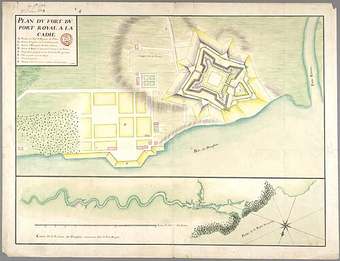
Champlain and Pierre Dugua de Mons moved their struggling colony across the Bay of Fundy and built a habitation at Port-Royal. It was the first lasting European settlement north of Florida and the seed of Acadian society.
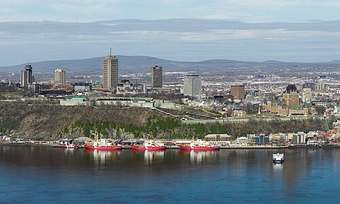
Samuel de Champlain built a fortified storehouse beneath the cliff at Quebec, choosing a point where the river narrows and can be controlled. Twenty of his twenty-eight men died that first winter; the post survived and became the capital of New France.
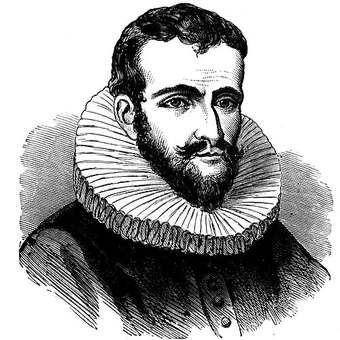
After wintering in James Bay, Hudson's crew mutinied and put him, his son and seven others into a small boat. They were never seen again, but his charts opened the inland sea that gave England its claim to the whole northern drainage.
May 17, 1642 · Ville-Marie (Montreal) · Exploration
Ville-Marie founded
Paul de Chomedey de Maisonneuve and Jeanne Mance landed on the island of Montreal to found a missionary settlement far up the St. Lawrence. Mance opened the Hôtel-Dieu, the first hospital in the colony, and kept the venture alive through decades of war.
March 16, 1649 · Sainte-Marie among the Hurons, Ontario · Conflict
The fall of Huronia
Haudenosaunee war parties destroyed the Wendat towns and the Jesuit mission of Sainte-Marie, killing Jean de Brébeuf and Gabriel Lalemant. The Wendat confederacy scattered, and the fur trade's balance of power shifted for a generation.
May 2, 1670 · Rupert House (Waskaganish), Quebec · Infrastructure
The Hudson's Bay Company charter
Charles II granted a fur monopoly over every river draining into Hudson Bay, a territory named Rupert's Land covering roughly a third of modern Canada. The company governed that land for two centuries before selling it to Canada in 1870.
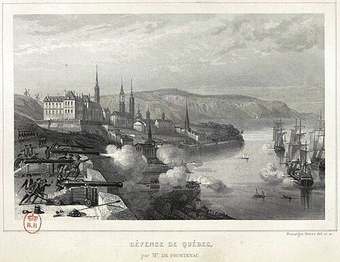
A New England fleet under William Phips demanded the surrender of Quebec within the hour. Frontenac told the messenger his reply would come from the mouths of his cannon, and the siege failed within a week.
Thirteen hundred delegates from about forty Indigenous nations met the French governor to end a century of war. The treaty held for decades and let New France expand west while the Haudenosaunee stayed neutral in the wars that followed.
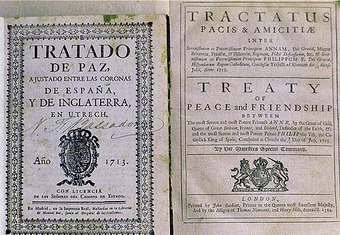
April 11, 1713 · Annapolis Royal, Nova Scotia · Politics
The Treaty of Utrecht
France ceded Acadia, Newfoundland and its claim to Hudson Bay to Britain, keeping Île Royale and Île Saint-Jean. Thousands of Acadians became subjects of a crown they had not chosen, under an oath dispute that lasted forty years.
June 17, 1745 · Louisbourg, Nova Scotia · Conflict
New England takes Louisbourg
A colonial militia force from Massachusetts besieged and captured the fortress, only to see Britain hand it back three years later in exchange for Madras. New Englanders never forgave the trade.
September 5, 1755 · Grand-Pré, Nova Scotia · Conflict
The deportation of the Acadians
British officers locked the men of Grand-Pré in the parish church and read the order removing the entire Acadian population. Over nine years roughly ten thousand people were shipped out, families split between colonies; some reached Louisiana and became Cajuns.
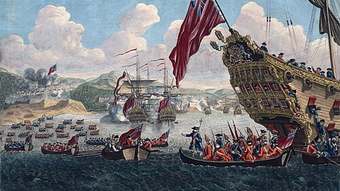
July 26, 1758 · Louisbourg, Nova Scotia · Conflict
The fall of Louisbourg
After a seven-week siege the great French fortress on Cape Breton surrendered, opening the St. Lawrence to the Royal Navy. A young James Wolfe made his name in the landings and was given the Quebec command the following year.
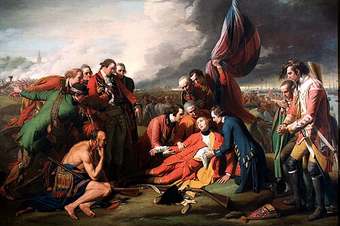
British troops scaled the cliff at Anse-au-Foulon overnight and formed up outside the walls of Quebec. The battle lasted under half an hour and killed both commanders, Wolfe on the field and Montcalm the next morning.
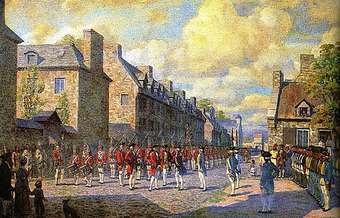
Three British armies converged on the last French stronghold and Governor Vaudreuil surrendered the whole colony. The terms let Canadiens keep their property and their religion, a promise that shaped everything after.
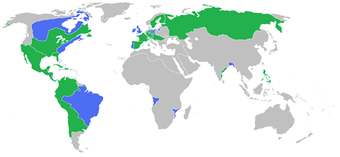
France surrendered Canada and kept the sugar island of Guadeloupe, judging it the better prize. Sixty thousand French-speaking Catholics became British subjects, and the question of how to govern them has shaped the country ever since.
October 7, 1763 · Applied across British North America · Indigenous
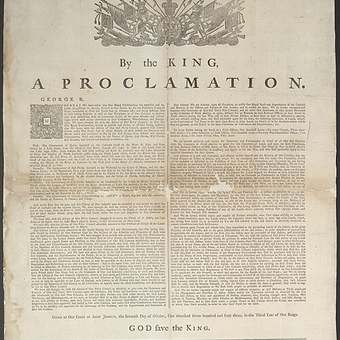
The Royal Proclamation
George III reserved the land west of the Appalachians for Indigenous nations and ruled that only the Crown could buy it, by treaty, in public council. Still in force and referenced in the 1982 Constitution, it remains the legal footing for Indigenous land claims.
A conquered French population, forty thousand Loyalist refugees and two American invasions — out of which came responsible government and the idea of a federation.
1774
June 22, 1774 · Quebec City · Politics
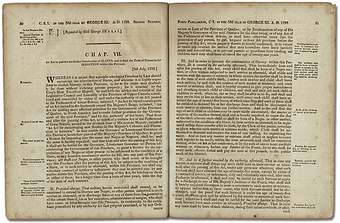
The Quebec Act
Britain restored French civil law, guaranteed Catholic practice and extended Quebec's boundaries to the Ohio. It kept the colony loyal when the Thirteen Colonies rebelled, and the Americans listed it among their grievances.
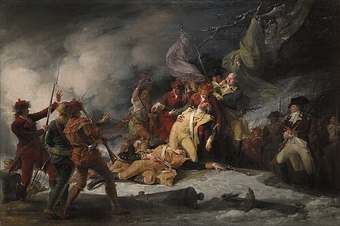
Two Continental Army columns under Montgomery and Arnold attacked Quebec in a blizzard on the last night of the year. Montgomery was killed, the assault collapsed, and the northern colonies stayed British.
March 29, 1778 · Nootka Sound, British Columbia · Exploration
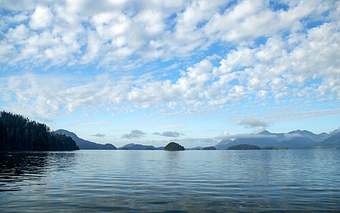
Cook at Nootka Sound
James Cook anchored on the west coast of Vancouver Island and traded with the Mowachaht for sea otter pelts. When his crew sold those furs in Canton for enormous sums, the Pacific maritime fur trade began and the coast was drawn into a world market.
May 18, 1783 · Saint John, New Brunswick · Politics
The Loyalists arrive
Some forty thousand refugees from the American Revolution landed in Nova Scotia and up the St. Lawrence, including about three thousand Black Loyalists promised land and freedom. Their numbers created New Brunswick and Upper Canada and gave English-speaking Canada its founding grievance.
August 16, 1784 · Fredericton, New Brunswick · Politics
New Brunswick is created
Fourteen thousand Loyalists had arrived in a year, and the colony north of the Bay of Fundy was split off from Nova Scotia to govern them. Cape Breton was separated the same day and rejoined in 1820.
July 14, 1789 · Mackenzie Delta, Northwest Territories · Exploration
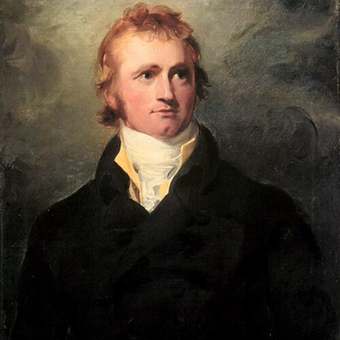
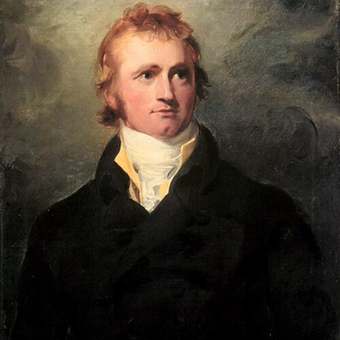
Mackenzie reaches the Arctic Ocean
Alexander Mackenzie followed the great river north hoping it ran to the Pacific and found salt water and whales instead. He called it the River of Disappointment; it carries his name today, though the Dene call it Deh Cho.
Quebec was divided into Upper and Lower Canada, each with an elected assembly but an appointed council that could veto it. The arrangement gave the colonies representation without power, and the rebellions of 1837 followed from it.
July 9, 1793 · Niagara-on-the-Lake, Ontario · Rights
The Act Against Slavery
Prompted by the sale of Chloe Cooley across the Niagara River, Lieutenant-Governor Simcoe pushed through a law freeing children born to enslaved mothers at twenty-five and banning new imports. It was the first such legislation in the British Empire and made Upper Canada a destination for people escaping bondage.
July 22, 1793 · Bella Coola, British Columbia · Exploration
Mackenzie reaches the Pacific
Guided by Nuxalk and Dakelh people over the mountains, Mackenzie reached salt water at Bella Coola and wrote his name and the date on a rock in grease and vermilion. He was the first European to cross the continent north of Mexico, twelve years before Lewis and Clark.
August 30, 1812 · Red River, Manitoba · Exploration
The Selkirk Settlement
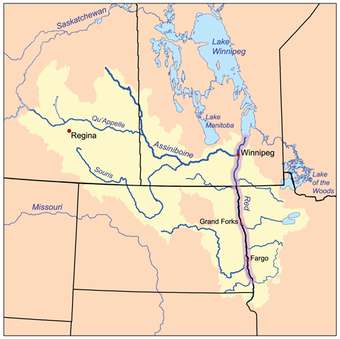
Lord Selkirk planted Scottish crofters at the forks of the Red and Assiniboine, straight across the North West Company's pemmican route. The colony survived by the help of Saulteaux chief Peguis and grew into Winnipeg.
October 13, 1812 · Queenston Heights, Ontario · Conflict
Queenston Heights
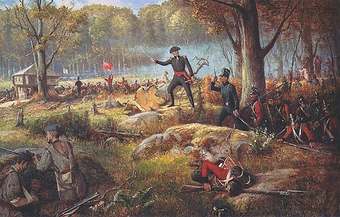
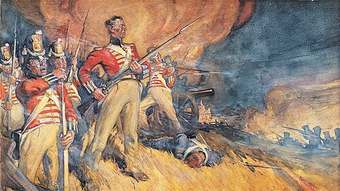
An American crossing of the Niagara was thrown back by British regulars, Mohawk warriors and Canadian militia. Isaac Brock was shot leading a charge up the escarpment and became the war's first hero of a country that did not yet exist.
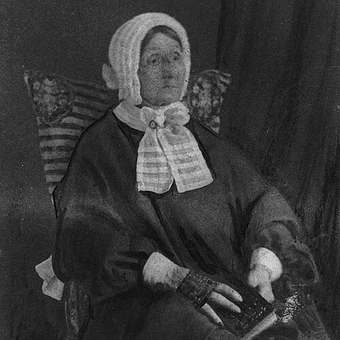
Having overheard American officers billeted in her house, Laura Secord walked some thirty kilometres through swamp and bush to warn Lieutenant FitzGibbon. Two days later a Kahnawake and Mohawk force ambushed the Americans at Beaver Dams.
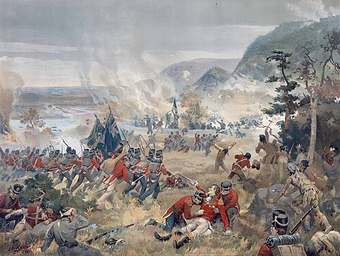
About 300 Canadian Voltigeurs and Mohawk warriors under Charles-Michel de Salaberry turned back an American force roughly ten times their size by bugling from the woods to suggest an army. Montreal was never seriously threatened again.
The bloodiest battle ever fought on Canadian soil was a five-hour night action within earshot of Niagara Falls. Both sides claimed it; the Americans withdrew and the invasion of Upper Canada was over.
December 24, 1814 · Niagara frontier, Ontario · Conflict
The War of 1812 ends
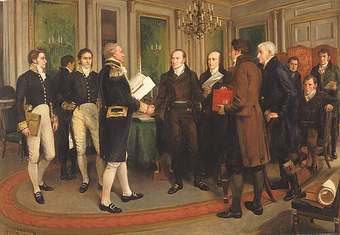
The Treaty of Ghent restored the pre-war borders and settled nothing that had been fought over. For British North America it settled a great deal: the colonies had not been absorbed, and the boundary with the United States has not moved by force since.
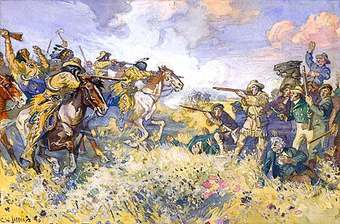
Métis under Cuthbert Grant met a party from the Selkirk colony and twenty-one settlers including the governor were killed. The fight was the sharp end of the pemmican war between the two fur companies, and the Métis date their nationhood from it.
March 26, 1821 · York Factory, Manitoba · Infrastructure
The fur companies merge
After years of violence the North West Company was absorbed into the Hudson's Bay Company, ending the competition that had driven exploration across the continent. Hundreds of voyageurs were put out of work overnight.
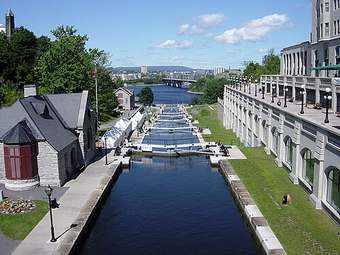
Built so that troops and supplies could reach Upper Canada without using the St. Lawrence within range of American guns, the canal cost about a thousand lives, most from malaria. The construction camp at its northern end became Ottawa.
November 23, 1837 · Saint-Denis-sur-Richelieu, Quebec · Conflict
The Lower Canada Rebellion
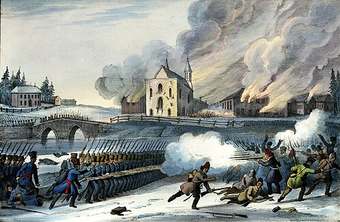
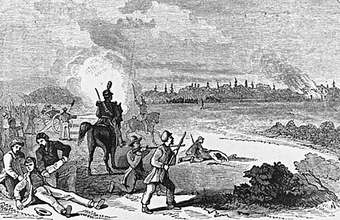
Patriote fighters beat back British regulars at Saint-Denis, then lost at Saint-Charles and Saint-Eustache as the army burned villages. Louis-Joseph Papineau fled to the United States and twelve men were hanged at the Pied-du-Courant prison.
William Lyon Mackenzie led several hundred poorly armed farmers down Yonge Street against the Family Compact and was scattered at Montgomery's Tavern. Samuel Lount and Peter Matthews were hanged; Mackenzie escaped to the United States and was pardoned eleven years later.
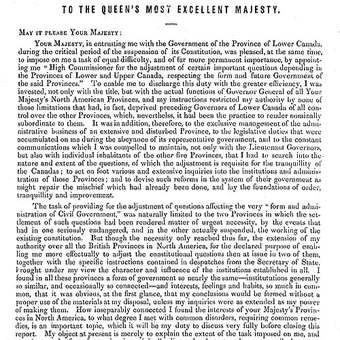
Lord Durham recommended responsible government and the assimilation of French Canadians, whom he described as a people without a history or a literature. The first half was adopted and the second half failed, which is roughly the story of the century that followed.
Passed in 1840 and in force in 1841, the Act of Union merged Upper and Lower Canada into one Province of Canada with equal representation, deliberately diluting the French-speaking majority. Instead it produced the Baldwin-LaFontaine alliance, which used the arithmetic to win responsible government.
About 100,000 people fled the Irish famine for British North America in one season. Some 5,000 died at the quarantine station on Grosse Île and thousands more in the sheds at Montreal, Quebec and Kingston.
Nova Scotia became the first colony in the Empire to force a government to resign on a vote of the assembly, a change Joseph Howe won without a shot. Within weeks the Baldwin-LaFontaine ministry took office in the Province of Canada on the same principle.
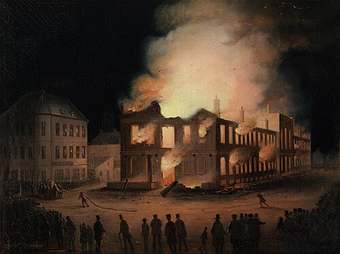
When Lord Elgin signed the Rebellion Losses Bill rather than override his ministers, a Tory mob burned the parliament building in Montreal. The riot proved responsible government was real, and the capital never returned to Montreal.
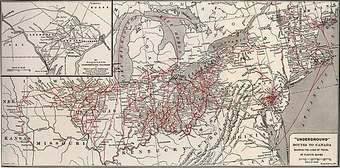
After the Fugitive Slave Act of 1850, some thirty thousand people escaping slavery crossed into Canada West. Josiah Henson's settlement at Dawn, Mary Ann Shadd's newspaper at Chatham and Harriet Tubman's base at St. Catharines anchored a network of free Black communities.
August 2, 1858 · Yale, British Columbia · Exploration
The Fraser Canyon gold rush
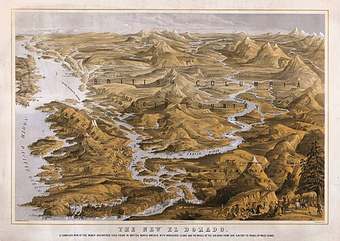
Some thirty thousand miners, most of them American, poured up the Fraser River within months. Britain created the Colony of British Columbia to keep the territory, and the rush brought violent conflict with the Nlaka'pamux in the canyon.
September 1, 1864 · Charlottetown, Prince Edward Island · Confederation
The Charlottetown Conference
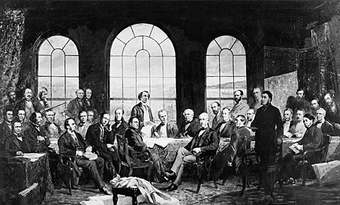
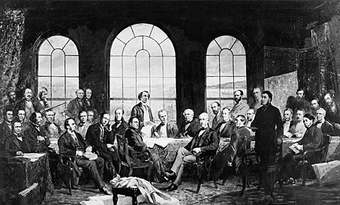
Delegates from the Province of Canada talked their way into a Maritime union meeting and changed the subject to a union of all the colonies. A circus was in town, so the Canadians slept on their ship and did much of the persuading over champagne.
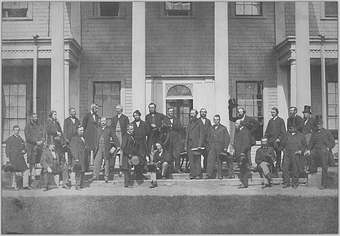
Over seventeen days the delegates drafted the Seventy-Two Resolutions, the working blueprint of the constitution. The split of powers, the Senate and the protection of minority schooling were all fought out in that room.
The British North America Act joined Nova Scotia, New Brunswick and the Province of Canada, split into Ontario and Quebec, into one Dominion. John A. Macdonald became the first prime minister of a country with four provinces and about 3.5 million people.
October 1869 - June 1870 · Upper Fort Garry, Red River · Indigenous
The Red River Resistance
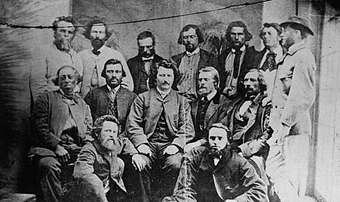
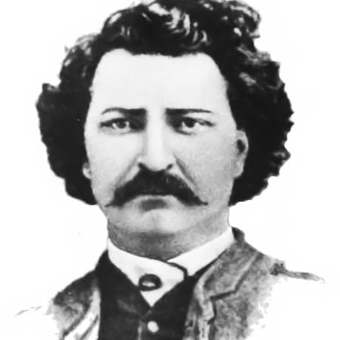
When Canada bought Rupert's Land without consulting anyone living there, Métis led by Louis Riel stopped the surveyors and formed a provisional government. Their negotiated list of rights became the Manitoba Act, and the execution of Thomas Scott made Riel a fugitive.
The Manitoba Act created a bilingual province with Catholic and Protestant school rights and set aside 1.4 million acres for Métis children. Most of that land was lost through scrip speculation within a generation, a grievance the courts were still addressing in 2013.
July 20, 1871 · Victoria, British Columbia · Confederation
British Columbia joins
The colony on the Pacific agreed to enter Confederation in exchange for a railway to the coast within ten years and the assumption of its debt. The railway took fourteen years and nearly destroyed two governments.
August 3, 1871 · Lower Fort Garry, Manitoba · Indigenous
Treaty 1 and the numbered treaties
Anishinaabe and Swampy Cree leaders signed the first of eleven numbered treaties at Lower Fort Garry, covering land from the Lake of the Woods to the Rockies and the Arctic. The written texts and the oral promises made in council differ, and that gap is still being litigated.
Twenty-four leaders of the Toronto printers' strike were arrested for criminal conspiracy, simply for organizing. Macdonald answered by legalizing trade unions, partly to embarrass George Brown, whose Globe was the struck newspaper.
Having turned down Confederation in 1864, the island changed its mind after a railway scheme nearly bankrupted it. Ottawa assumed the debt and bought out the absentee landlords, finally settling a land question a century old.
Founded in 1873, the North-West Mounted Police sent three hundred men who rode from Manitoba toward the Rockies to shut down the whisky forts and establish Canadian authority on the plains. The force reached Fort Whoop-Up to find it nearly empty, built Fort Macleod, and became the RCMP.
Parliament consolidated earlier laws into a single statute giving the federal government control over status, land, money, education and governance on reserves. It outlawed the potlatch and the Sun Dance, required passes to leave reserve, and still governs much of the relationship today.
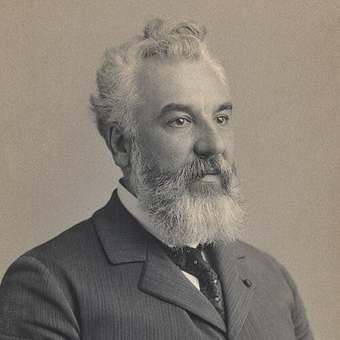
Alexander Graham Bell, working at his parents' house above the Grand River, took a call from Brantford to Paris, Ontario over a borrowed telegraph line. He had worked out the principle of the telephone on the same porch the summer before.
September 22, 1877 · Blackfoot Crossing, Alberta · Indigenous
Treaty 7
Blackfoot, Tsuut'ina, Stoney Nakoda and Kainai leaders signed at Blackfoot Crossing, covering southern Alberta. Participants later said the interpreters had conveyed a peace treaty, not a surrender of land.
1883 onward · Kamloops, British Columbia · Indigenous
The residential school system
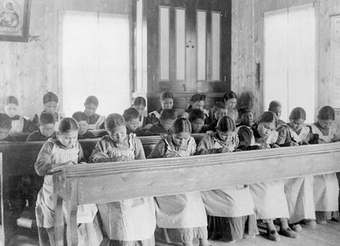
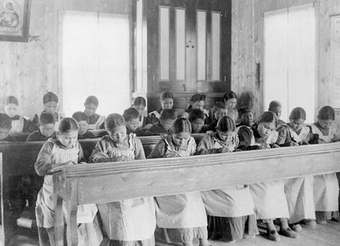
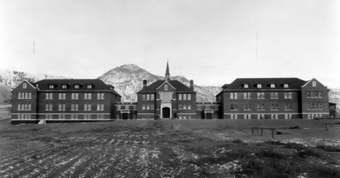
Ottawa began funding industrial schools on the model of the Davin Report, and over the next century about 150,000 First Nations, Métis and Inuit children passed through them. Attendance became compulsory in 1920; the last federally run school closed in 1996.
May 9-12, 1885 · Batoche, Saskatchewan · Indigenous
The North-West Resistance
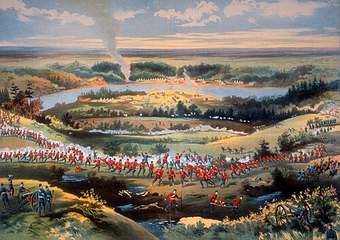
Métis and Cree forces under Riel and Gabriel Dumont held Batoche for four days against a much larger militia moved west on the unfinished railway. The defeat broke the resistance and brought mass trials; eight Cree men were hanged at Battleford in the largest mass execution in Canadian history.
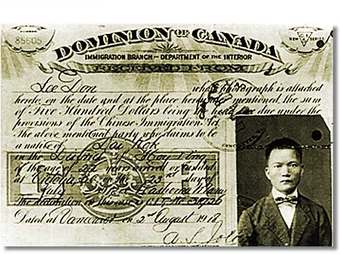
With the railway finished, Parliament imposed a $50 tax on every Chinese person entering Canada, raised to $500 by 1903, about two years of wages. It was the only immigration tax in Canadian history aimed at one nationality. The federal government formally apologized in 2006.
November 7, 1885 · Craigellachie, British Columbia · Infrastructure
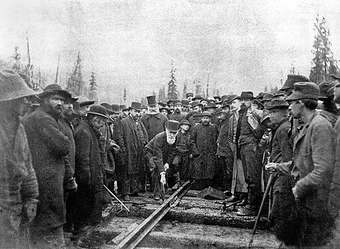
The Last Spike
Donald Smith drove a plain iron spike at Craigellachie and the Canadian Pacific Railway was joined from coast to coast. Some 15,000 Chinese labourers built the hardest sections of the British Columbia line, and at least 600 died doing it.
November 16, 1885 · Regina, Saskatchewan · Indigenous
Riel is hanged
Convicted of high treason by a jury that recommended mercy, Louis Riel went to the scaffold in Regina. Quebec read it as the execution of a French-speaking Catholic by an English Protestant government, and the Conservative hold on the province never recovered.
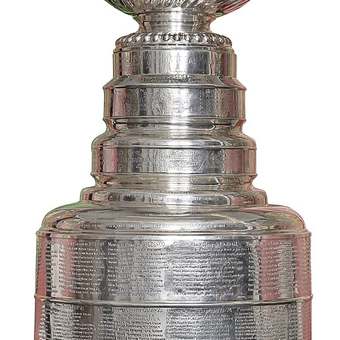
The Governor General, Lord Stanley, bought a silver bowl for about ten guineas and gave it to the best amateur hockey team in Canada. The Montreal Hockey Club took the first one; it is now the oldest trophy competed for by professional athletes in North America.
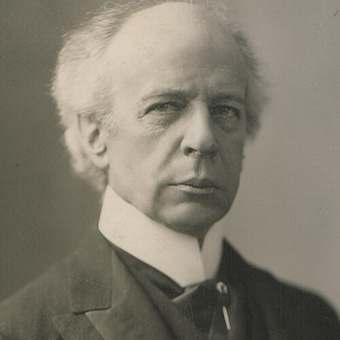
Wilfrid Laurier became the first French-speaking prime minister and held office for fifteen years, the longest unbroken run in Canadian history. His era brought a million immigrants to the prairies, two new provinces, and the claim that the twentieth century would belong to Canada.
August 16, 1896 · Bonanza Creek, Yukon · Exploration
Gold on Bonanza Creek
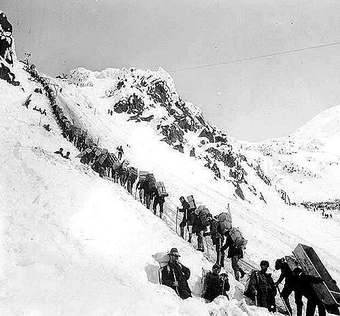
Keish, also known as Skookum Jim Mason, with Dawson Charlie and George Carmack found coarse gold on a tributary of the Klondike. Within two years some 100,000 people set out for the Yukon, Dawson City boomed to 30,000, and the territory was created in 1898.
June 13, 1898 · Dawson City, Yukon · Confederation
Yukon becomes a territory
With tens of thousands of mostly American miners in the Klondike, Ottawa split the Yukon off from the North-West Territories to govern it directly. Dawson City was briefly the largest city west of Winnipeg.
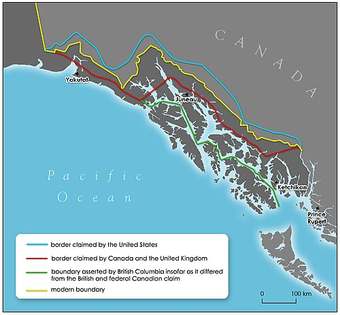
A six-man tribunal split three Americans to two Canadians, with the British member siding with Washington and giving the United States the Alaska panhandle. The decision convinced many Canadians that Britain would not defend their interests.
September 1, 1905 · Prairie provinces · Confederation
Alberta and Saskatchewan
Two provinces were carved out of the North-West Territories as settlers filled the plains under Clifford Sifton's immigration drive. Ottawa kept control of their natural resources until 1930, a grievance that fed western alienation for a quarter century.
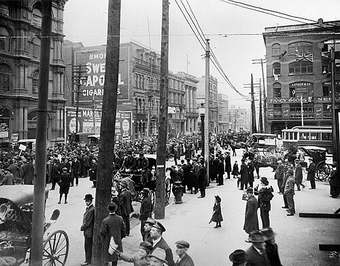
A parade organized by the Asiatic Exclusion League turned into a mob that smashed its way through Chinatown and Japantown. Mackenzie King, then a young deputy minister, was sent to assess damages and later wrote the report that led to tighter exclusion.
February 23, 1909 · Baddeck, Nova Scotia · Science
The Silver Dart flies
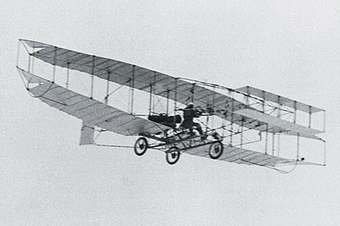
J.A.D. McCurdy flew about 800 metres over the ice of Bras d'Or Lake, the first controlled powered flight in Canada and in the British Empire. The aircraft came out of Alexander Graham Bell's Aerial Experiment Association.
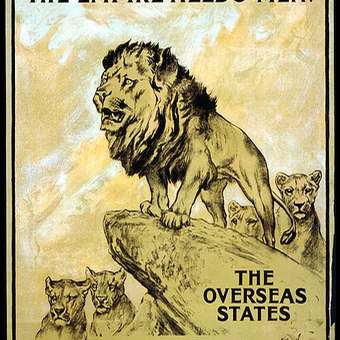
Sixty thousand dead overseas bought a seat at the table. At home the same years brought votes for women, the first social programs, and internment camps.
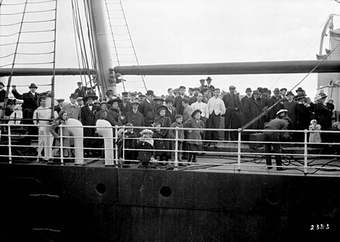
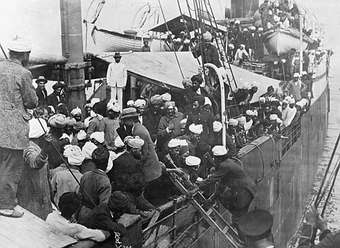
A chartered ship carrying 376 passengers from British India, most of them Sikh, sat in Vancouver harbour for two months while officials refused them landing. Twenty were admitted; the rest were turned back, and nineteen were killed by police on arrival in Calcutta.
Britain's declaration automatically bound Canada, and Ottawa had no say in it. Out of a population of under eight million, more than 619,000 served and some 61,000 died.
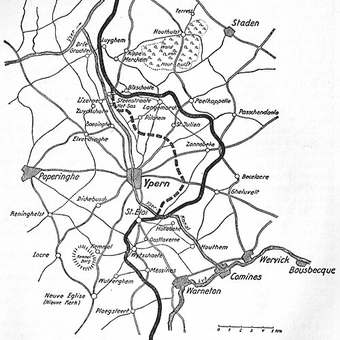
The 1st Canadian Division held a gap in the line after the first large-scale German gas attack, urinating into cloths to breathe through chlorine. Days later John McCrae, a field surgeon, wrote In Flanders Fields after burying a friend.
Manitoba became the first province to grant women the provincial vote, after a campaign in which Nellie McClung staged a mock parliament debating whether men should be enfranchised. Most provinces followed within four years, women gained the federal vote in 1917–1918, and Quebec was last, in 1940.
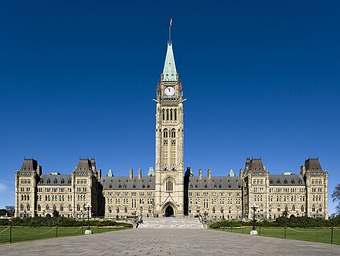
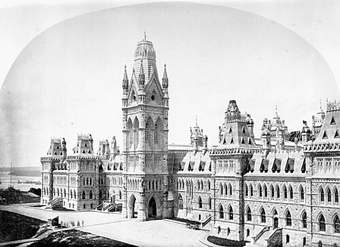
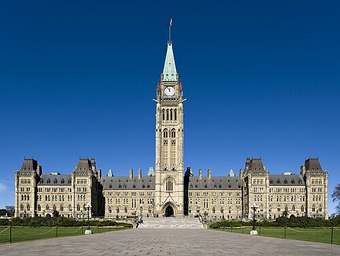
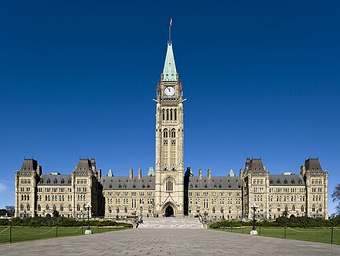
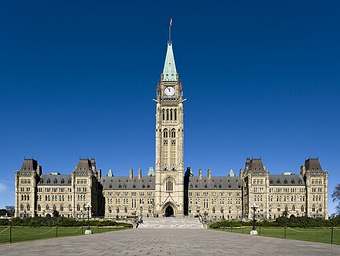
Fire broke out in the reading room of Centre Block and gutted the building overnight, killing seven. The Library survived behind its iron doors, the Commons moved to the Victoria Museum, and the Peace Tower was built as the replacement's memorial.
The Newfoundland Regiment went over the top on the first morning of the Somme and was destroyed in about thirty minutes. Of some 800 men, 68 answered roll call the next day; July 1 is still Memorial Day in Newfoundland and Labrador.
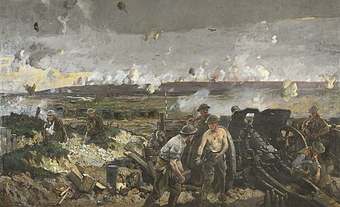
All four Canadian divisions attacked together for the first time, behind a creeping barrage rehearsed on taped-out ground, and took a ridge that had defeated earlier assaults. Some 3,598 Canadians were killed, and the victory became the country's founding military legend.
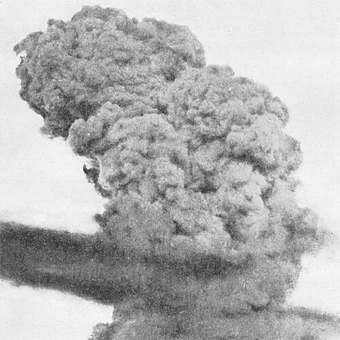
A French munitions ship and a Norwegian relief vessel collided in the Narrows, and the fire set off roughly 2,900 tonnes of explosives. About 2,000 people died and 9,000 were injured in the largest human-made blast before the atomic bomb.
Four days of rioting in Quebec City against compulsory service ended when troops fired into a crowd, killing four civilians. English and French Canada had split hard over the war, and Borden's Unionist government carried almost no Quebec seats.
August 8 - November 11, 1918 · Mons, Belgium · Conflict
Canada's Hundred Days
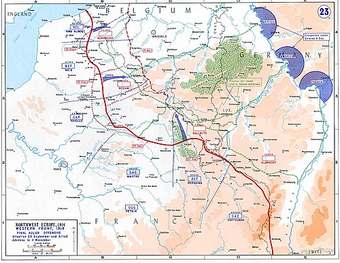
The Canadian Corps under Arthur Currie led the advance from Amiens to Mons, taking on a quarter of the German army it faced. It suffered some 45,000 casualties in those hundred days, and reached Mons on the morning of the armistice.
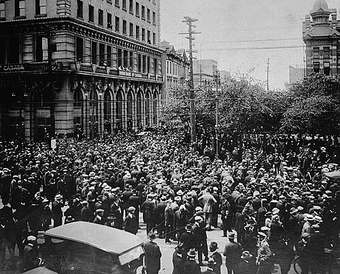
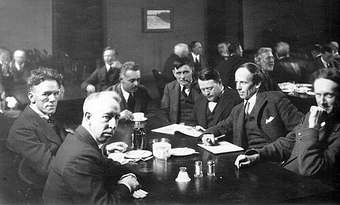
Some 30,000 workers walked out and ran the city through a strike committee for six weeks. On Bloody Saturday the Mounted Police charged a crowd on Main Street, killing two, and the strike collapsed, but several leaders were soon elected to office.
Seven painters hung their first show together in Toronto and declared the northern landscape a subject worth a national art. Tom Thomson, who had shaped their direction, had drowned in Canoe Lake three years earlier.
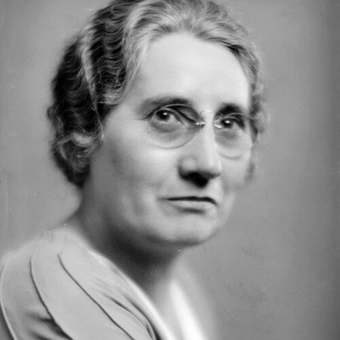
In the first federal election in which women could stand, Agnes Macphail won Grey Southeast and became the only woman in the House of Commons. She stayed nineteen years, working on prison reform and farm policy, often alone.
Frederick Banting and Charles Best's pancreatic extract, purified by James Collip, brought fourteen-year-old Leonard Thompson back from a diabetic coma at Toronto General. The discoverers sold the patent to the university for one dollar each.
The head tax was replaced by an almost total ban on Chinese immigration that stood for twenty-four years. Chinese Canadians marked July 1 as Humiliation Day and shuttered their businesses rather than celebrate.
The Diamond Jubilee of Confederation was carried by a hookup of twenty-three stations from coast to coast, with the Peace Tower carillon ringing for the first time. It was the first time Canadians heard the same thing at the same moment.
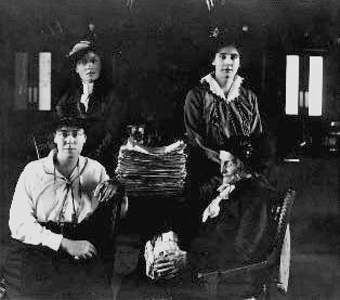
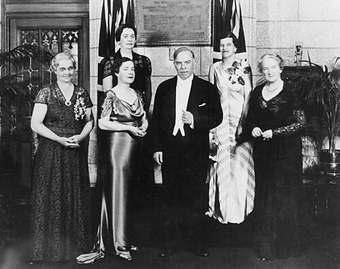
Five Alberta women asked whether 'qualified persons' eligible for the Senate included women; the Supreme Court said no and the Judicial Committee in London reversed it. The ruling established that the constitution is a living tree capable of growth.
Britain gave up the power to legislate for the Dominions, making Canada sovereign in foreign and domestic affairs. The one piece left behind was the constitution itself, which could still only be amended in London until 1982.
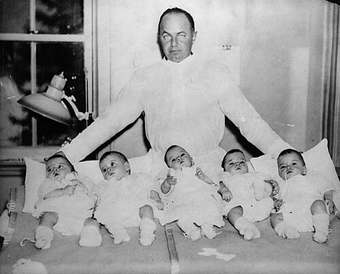
Five identical girls were born two months early in a farmhouse near Callander and survived, the first quintuplets known to do so. Ontario took them from their parents and displayed them to three million tourists at a compound called Quintland.
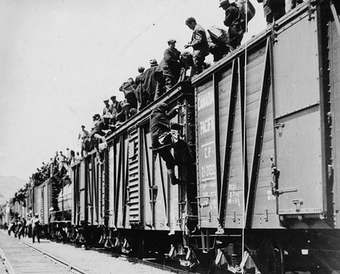
Unemployed men from the relief camps rode the freights east to put their case to Bennett and were stopped in Regina. A police attempt to arrest the leaders at a public meeting set off a riot that killed a city detective and a trekker.
Parliament replaced the shaky Radio Commission with a properly funded public broadcaster, after a campaign whose slogan was the state or the United States. Radio-Canada followed as its French service.
John Grierson was hired to build a film unit that would, in his phrase, explain Canada to Canadians. The NFB has since won more than a dozen Academy Awards.
Parliament debated and voted this time, declaring war one week after Britain to make the point that the decision was Canada's. More than a million Canadians served out of eleven million people, and about 45,000 died.
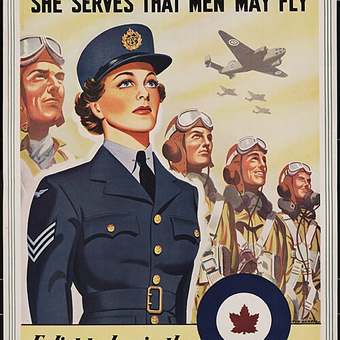
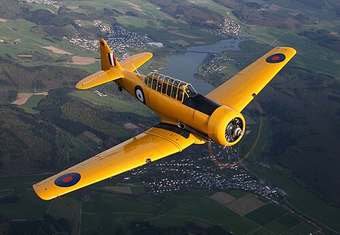
Canada agreed to train Commonwealth aircrew on its own soil, far from enemy aircraft. By 1945 the scheme had graduated more than 131,000 pilots, navigators and gunners at 231 sites, and Roosevelt called Canada the aerodrome of democracy.
February 24, 1942 · Hastings Park, Vancouver · Rights
Japanese Canadian internment
An order-in-council removed about 22,000 people of Japanese descent from the coast, three quarters of them Canadian citizens. Their homes, boats and businesses were sold to pay for their own detention, and they were barred from returning until 1949.
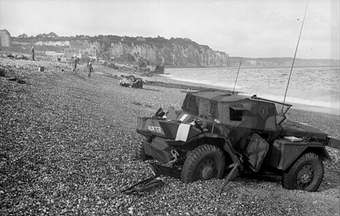
Of 4,963 Canadians who sailed for the French port, 916 were killed and 1,946 taken prisoner in a single morning. The lessons bought in that disaster shaped the planning for Normandy two years later.
American and Canadian crews, a third of them Black US Army engineers working in segregated regiments, cut 2,700 kilometres of road through muskeg and mountain in eight months. It opened the northwest permanently.
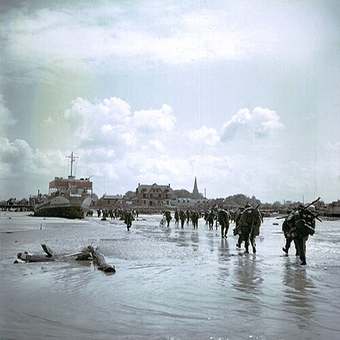
The 3rd Canadian Infantry Division landed on an eight-kilometre stretch of Normandy coast and pushed further inland on D-Day than any other Allied force. 359 Canadians were killed that day.
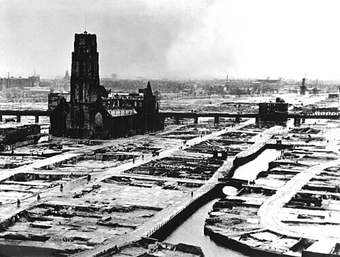
First Canadian Army cleared the western Netherlands and arranged food drops into a country that had been starving through the Hunger Winter. Some 7,600 Canadians died in the campaign, and the Dutch have sent tulips to Ottawa every year since.
June 26, 1945 · San Francisco, California · Politics
Canada signs the UN Charter
Canada was one of the fifty founding members and pushed successfully for the functional principle, that middle powers should have a say in the areas where they contribute most. Escott Reid and Lester Pearson did much of the drafting work.
A cipher clerk walked out of the Soviet embassy in Ottawa with 109 documents proving a spy ring operating in Canada, Britain and the United States. The defection is often taken as the opening of the Cold War.
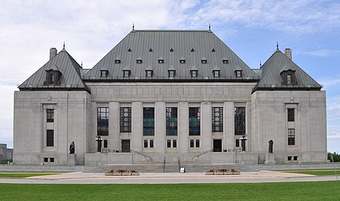
Until this law took effect, people born in Canada were British subjects and nothing else. Mackenzie King received certificate number one at a ceremony in the Supreme Court building.
March 31, 1949 · St. John's, Newfoundland · Confederation
Newfoundland joins Confederation
After two referendums, the second won by 52.3 per cent, Newfoundland gave up independent dominion status and became the tenth province. Joey Smallwood had campaigned on the baby bonus and the pension, and governed for the next twenty-three years.
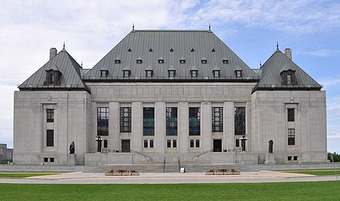
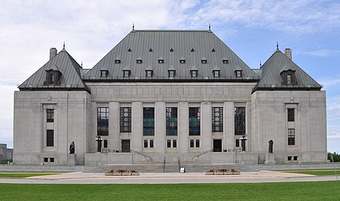
Appeals to the Judicial Committee of the Privy Council in London were abolished, making the Supreme Court of Canada the final word in Canadian law for the first time. The court had existed since 1875 without that authority.
The river rose until a fifth of Winnipeg was under water and about 100,000 people were evacuated, the largest evacuation in Canadian history at the time. It led to the Red River Floodway, finished in 1968 and nicknamed Duff's Ditch.
April 22-25, 1951 · Kapyong, South Korea · Conflict
The Battle of Kapyong
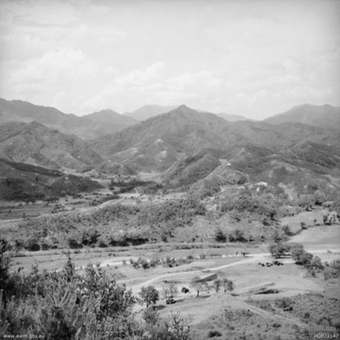
Roughly 700 men of the 2nd Battalion, Princess Patricia's Canadian Light Infantry held a hill against a Chinese division and called artillery onto their own position. They received a United States Presidential Unit Citation; 516 Canadians died in the Korean War.
A sixteen-year-old from Toronto swam 52 kilometres in just under 21 hours through lamprey eels and four-foot waves, after the promoters had hired an American swimmer instead of her. She came ashore to a crowd of 250,000.
November 4, 1956 · United Nations, New York · Politics
Pearson invents peacekeeping
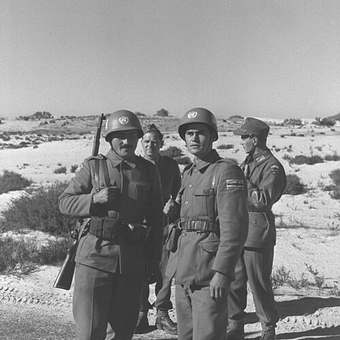
With Britain and France invading Egypt and the alliance splitting, Lester Pearson proposed a United Nations emergency force to separate the combatants. He won the Nobel Peace Prize for it the next year, the only Canadian to receive one.
October 23, 1958 · Springhill, Nova Scotia · Disaster
The Springhill mine bump
An underground shock collapsed the deepest coal mine in North America, trapping 174 men. The nine-day rescue was the first live disaster coverage on Canadian television, and 75 miners died.
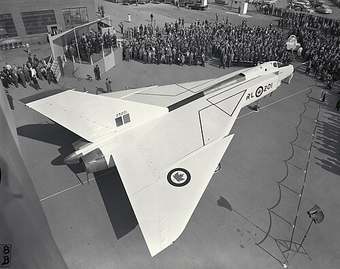
Diefenbaker cancelled the CF-105 interceptor and about 14,000 people lost their jobs that afternoon. The five finished aircraft and all the blueprints were cut up for scrap, and many of the engineers went on to work on Apollo.
June 26, 1959 · Saint-Lambert, Quebec · Infrastructure
The St. Lawrence Seaway opens
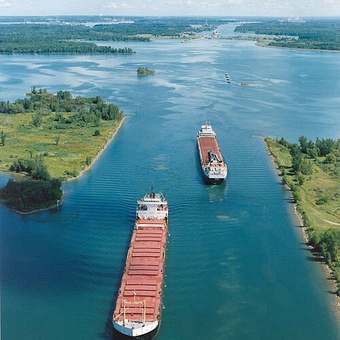
A system of locks and canals let ocean ships reach the head of the Great Lakes, 3,700 kilometres inland. Ten communities were flooded and 6,500 people relocated to build it.
Diefenbaker's government extended the federal franchise to Status Indians without requiring them to give up treaty rights or Indian status, which the previous rule had demanded. The same year brought the Canadian Bill of Rights.
Jean Lesage's Liberals took Quebec with the slogan it is time for things to change, and the province moved schools, hospitals and welfare out of church hands within a decade. Hydro-Québec was nationalized in 1963 under René Lévesque.
Tommy Douglas's CCF government brought in universal public hospital and medical insurance against a twenty-three-day doctors' strike. Ottawa adopted the model nationally in 1966, and it is now the thing Canadians most often name as defining the country.
September 3, 1962 · Rogers Pass, British Columbia · Infrastructure
The Trans-Canada Highway opens
The longest national highway in the world was opened at Rogers Pass, running 7,800 kilometres from St. John's to Victoria. It was not fully paved until 1971.
After six months of bitter debate, 308 speeches and 5,900 submitted designs, the new flag was raised on Parliament Hill at noon. Pearson had staked his government on replacing the Red Ensign; Diefenbaker fought him to the end.
The world's fair on two islands in the St. Lawrence drew more than 50 million visits in six months, in a country of 20 million. It is still the high-water mark of Canadian self-confidence, and 1967 was the centennial year.
English and French were made equal in Parliament, the courts and the federal public service, on the recommendation of the Laurendeau-Dunton commission. The same year the White Paper proposing to abolish Indian status provoked the Red Paper and a generation of Indigenous political organizing.
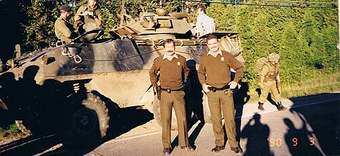
The FLQ kidnapped British trade commissioner James Cross and Quebec minister Pierre Laporte; Trudeau invoked the War Measures Act and soldiers appeared on Montreal streets. Laporte was killed the next day, and 497 people were detained without charge.
Canada became the first country to adopt multiculturalism as official state policy, within a bilingual framework. The approach was written into the Charter in 1982 and given its own act in 1988.
With 34 seconds left in the eighth game in Moscow, Paul Henderson put in his own rebound to win the Summit Series. Schools and factories across the country had stopped to watch.
Nisga'a leaders asked the Supreme Court whether Aboriginal title had ever been extinguished in British Columbia. Six of seven judges agreed the title had existed at common law, and the ruling forced Ottawa to start negotiating modern land claims.
November 11, 1975 · James Bay, Quebec · Indigenous
The James Bay Agreement
Cree and Inuit of northern Quebec negotiated the first modern treaty in Canada after an injunction halted the hydroelectric project already under construction. It created the governing structures that Nunavik and the Cree Nation still use.
Mayor Jean Drapeau promised the games could no more have a deficit than a man could have a baby; the bill took Quebec until 2006 to pay off. Greg Joy's high jump silver was the host country's best result, and Canada won no gold.
René Lévesque's sovereigntist party took power in Quebec for the first time and passed Bill 101 the following year, making French the official language of the province. The question of Quebec's place now had a government behind it.
May 9, 1977 · Yellowknife, Northwest Territories · Indigenous
The Berger Inquiry
Justice Thomas Berger took his hearings into thirty-five Dene, Inuit and Métis communities and let people speak in their own languages. He recommended a ten-year moratorium on a Mackenzie Valley pipeline, and the pipeline was never built.
Three years after losing his right leg to cancer, Terry Fox dipped his artificial foot in the Atlantic at St. John's and set out to run across the country. He covered 5,373 kilometres in 143 days before the cancer reached his lungs near Thunder Bay.
Asked for a mandate to negotiate sovereignty-association, Quebec voted No by 59.6 per cent. Trudeau had promised constitutional renewal if they voted No, and the patriation fight began the next week.
The song had been sung since 1880 and waited a century to be adopted by statute, on the hundredth anniversary of its first performance. The English lyrics were amended to be gender neutral in 2018.
November 13, 1981 · Kennedy Space Center, Florida · Science
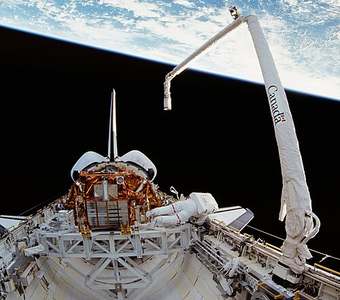
Canadarm flies
The robotic arm built in Brampton was first used on the shuttle Columbia and went on to fly ninety missions without a failure. Canadarm2 later built the International Space Station.
The Queen signed the proclamation on Parliament Hill in the rain, bringing the constitution home and adding the Charter of Rights and Freedoms. Quebec's government never signed, and the amending formula it rejected is still the obstacle to every attempt since.
October 5, 1984 · Kennedy Space Center, Florida · Science
Marc Garneau goes to space
A navy engineer became the first Canadian in orbit aboard the shuttle Challenger, flying experiments for the new Canadian Space Agency. Roberta Bondar followed in 1992 as the first Canadian woman.
June 23, 1985 · Atlantic Ocean, off Ireland · Disaster
Air India Flight 182
A bomb loaded in Vancouver destroyed the aircraft off the coast of Ireland, killing all 329 people aboard, 268 of them Canadian. It remains the deadliest terrorist attack in Canadian history, and the investigation and trials ran for twenty years.
The Supreme Court struck down the abortion law as a violation of security of the person under the Charter. Bertha Wilson, the court's first woman, wrote separately that the law also violated a woman's liberty, and no replacement law has ever passed.
The first Winter Games in Canada gave the world Eddie the Eagle and the Jamaican bobsled team, and left behind the training facilities that supplied Canadian medals for the next thirty years. Canada won no gold on home soil.
Brian Mulroney apologized in the House for the wartime internment and announced compensation of $21,000 to each surviving internee and a community fund. The agreement became the model for later apologies.
An election fought almost entirely on the Canada-United States Free Trade Agreement returned Mulroney with a majority, and the deal took effect on New Year's Day. NAFTA added Mexico in 1994 and was replaced by CUSMA in 2020.
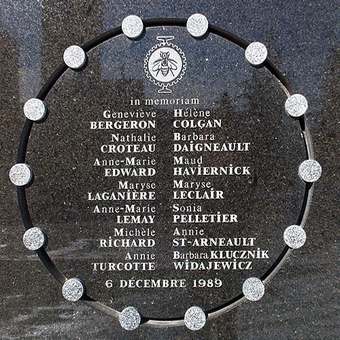
A gunman separated the women from the men in a classroom at the Montreal engineering school and killed fourteen women. December 6 is now the National Day of Remembrance and Action on Violence Against Women, and the killings led to tighter gun laws.
The accord recognizing Quebec as a distinct society died when Manitoba MLA Elijah Harper, holding an eagle feather, refused the unanimous consent needed to bring it to a vote. He objected that an accord on constitutional recognition ignored Indigenous peoples entirely.
July 11 - September 26, 1990 · Kanesatake and Oka, Quebec · Indigenous
The Oka Crisis
Kanien'kehá:ka of Kanesatake blockaded a pine forest and burial ground slated for a golf course expansion; a Sûreté du Québec raid left a corporal dead and brought in the army. The 78-day standoff put Indigenous land rights on national television and stopped the development.
Methane and coal dust ignited underground and twenty-six miners died in a pit that inspectors had warned about repeatedly. The public inquiry led to the 2004 Westray law making corporations and executives criminally liable for workplace deaths.
July 2, 1992 · St. John's, Newfoundland · Disaster
The cod moratorium
The northern cod stock had collapsed to about one per cent of its historical size, and Ottawa shut the fishery. Some 30,000 people lost their work in a single announcement, the largest industrial layoff in Canadian history, and the stock has still not recovered.
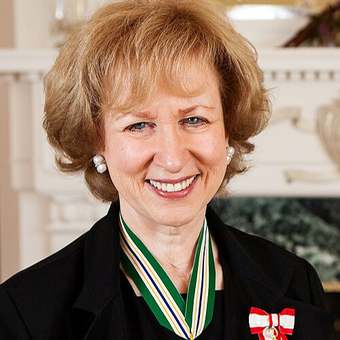
Kim Campbell took over from Mulroney as the first and so far only woman to hold the office. Her Progressive Conservatives were reduced from 156 seats to two in the October election, the worst defeat of a governing party in Canadian history.
Sovereignty lost by 54,288 votes, 50.58 per cent to 49.42, with 93.5 per cent of the electorate voting. Parliament answered with the Clarity Act in 2000, setting out the conditions under which Ottawa would negotiate secession.
May 31, 1997 · Borden-Carleton, Prince Edward Island · Infrastructure
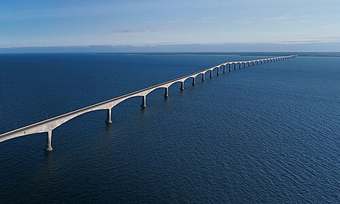
The Confederation Bridge
A 12.9-kilometre bridge replaced the ferry to Prince Edward Island, fulfilling in a loose sense the 1873 promise of continuous communication with the mainland. It is the longest bridge over ice-covered water in the world.
The Supreme Court ruled that Aboriginal title is a right to the land itself, and that oral histories must be given the same weight as written evidence. The Gitxsan and Wet'suwet'en had argued the case for twelve years.
January 5-10, 1998 · Montérégie, Quebec · Disaster
The Great Ice Storm
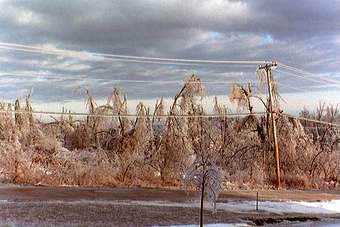
Up to 100 millimetres of freezing rain brought down more than a thousand transmission towers across eastern Ontario, Quebec and the Maritimes. Some areas were without power for over a month in January, and 16,000 troops were deployed in the largest peacetime military operation in Canadian history.
September 2, 1998 · Peggys Cove, Nova Scotia · Disaster
Swissair 111
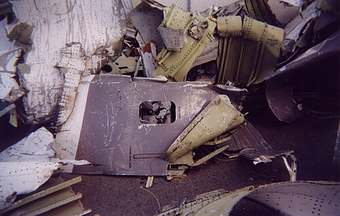
An onboard fire brought the aircraft down off Peggys Cove and all 229 people aboard were killed. Local fishermen reached the site first, and the investigation changed aircraft wiring standards worldwide.
The eastern Arctic separated from the Northwest Territories to become a territory with an Inuit majority, the result of a land claim negotiated over twenty-five years. It covers a fifth of Canada and has about 40,000 people.
May 11, 2000 · Nass Valley, British Columbia · Indigenous
The Nisga'a Treaty
The first modern treaty in British Columbia came into force after 113 years of petitioning, giving the Nisga'a self-government and about 2,000 square kilometres in the Nass Valley. Frank Calder had begun the legal fight in the 1960s.
E. coli from cattle manure reached the town well after heavy rain, and the operators had been falsifying the chlorine records. Seven people died and about 2,300 fell ill, and every province tightened drinking water rules.
September 11, 2001 · Gander, Newfoundland · Politics
Operation Yellow Ribbon
With American airspace closed, 239 aircraft were diverted to Canadian airports and 33,000 passengers were taken in. Gander, population 10,000, housed nearly 7,000 of them in schools and living rooms.
Canada's longest combat deployment sent some 40,000 personnel through Kandahar and Kabul, and 158 soldiers were killed. Repatriations drove along a stretch of Highway 401 renamed the Highway of Heroes.
Forty-four people died in the only significant outbreak outside Asia, and the World Health Organization briefly advised against travel to the city. The response produced the Public Health Agency of Canada two years later.
The Civil Marriage Act made Canada the fourth country in the world to open marriage to same-sex couples, after court rulings in eight provinces had already done so. Parliament voted to reaffirm it in 2006.
Stephen Harper apologized in the House of Commons to former students, with survivors and national Indigenous leaders seated on the floor of the chamber. The Truth and Reconciliation Commission was already under way as part of the settlement agreement.
Sidney Crosby scored 7:40 into overtime against the United States to end the Vancouver Olympics, where Canada won a record 14 gold medals. Alexandre Bilodeau had become the first Canadian to win gold at a home Games on day three.
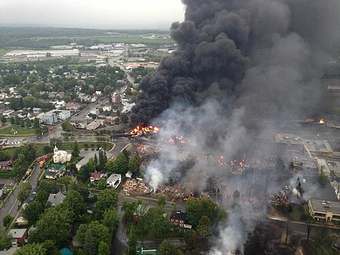
An unattended oil train rolled nine kilometres downhill and derailed in the centre of town, killing 47 people and burning the downtown. It forced a rewrite of the rules for moving crude by rail across North America.
After hearing from more than 6,500 witnesses, the commission chaired by Murray Sinclair found the residential school system amounted to cultural genocide and issued 94 Calls to Action. Its register of children who died at the schools has over 4,100 names and is incomplete.
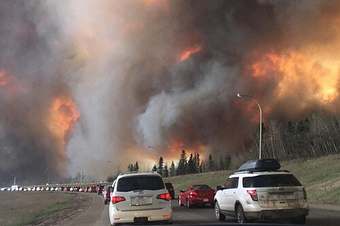
Nearly 90,000 people drove out of the city in a single afternoon as the fire crossed the highway, the largest wildfire evacuation in Alberta's history. It burned close to 590,000 hectares and was the costliest disaster in Canadian insurance history.
A semi-trailer ran a stop sign into a junior hockey team's bus and sixteen people died. Millions of dollars arrived within days, and hockey sticks appeared on porches across the country.
The National Inquiry into Missing and Murdered Indigenous Women and Girls concluded after hearing 2,380 people and called the violence a genocide. It issued 231 Calls for Justice.
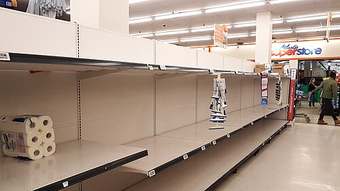
Borders closed, Parliament emptied and the emergency benefit was paying millions of people within three weeks. More than 60,000 Canadians died of COVID-19, a disproportionate share of them in long-term care.
April 18-19, 2020 · Portapique, Nova Scotia · Disaster
The Nova Scotia attacks
A gunman driving a replica police cruiser killed twenty-two people across thirteen hours and sixteen crime scenes, the deadliest attack in modern Canadian history. The inquiry that followed found serious failures in the police response.
May 27, 2021 · Kamloops, British Columbia · Indigenous
Kamloops
Ground-penetrating radar identified about 200 probable unmarked burials at the former Kamloops Indian Residential School, and more searches followed at other sites. That September Canada marked its first National Day for Truth and Reconciliation.
June 30, 2021 · Lytton, British Columbia · Disaster
The heat dome and Lytton
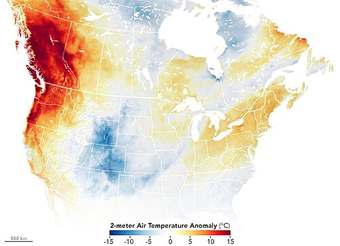
Lytton set the Canadian temperature record at 49.6°C on three consecutive days and burned to the ground the next afternoon. The heat wave killed more than 600 people in British Columbia.
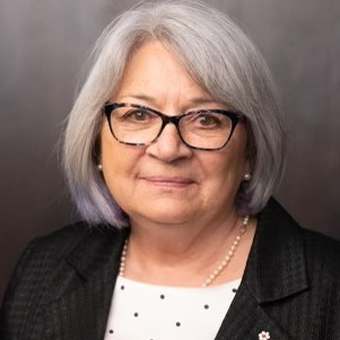
An Inuk leader and diplomat from Kangiqsualujjuaq became the first Indigenous person to serve as the Queen's representative in Canada. She took her oath partly in Inuktitut.
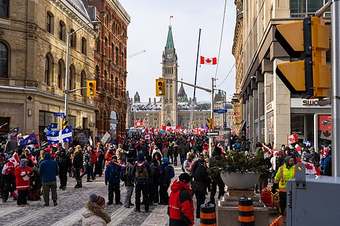
After three weeks of trucker convoy protests occupying downtown Ottawa and blockading border crossings, the government invoked the Emergencies Act for the first time since it replaced the War Measures Act in 1988. A Federal Court judge later ruled the use unreasonable; the decision is under appeal.
August 16, 2023 · Yellowknife, Northwest Territories · Disaster
The 2023 wildfire season
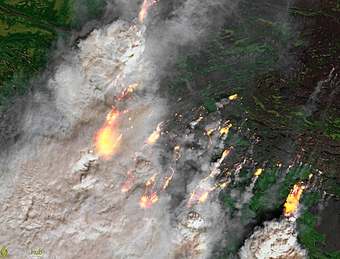
Fires burned about 17 million hectares, more than seven times the long-term average, and smoke closed schools as far away as New York. Yellowknife's entire population of 20,000 was ordered out in a single night.
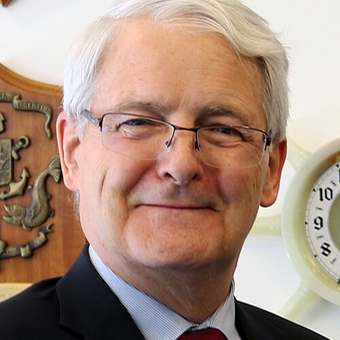
A former governor of both the Bank of Canada and the Bank of England took office as the 24th prime minister without ever having held elected office. He called an election six weeks later and won a minority of 169 seats on April 28.
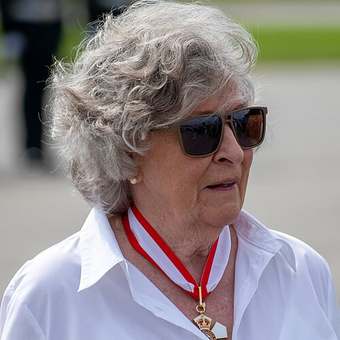
The former Supreme Court justice and United Nations high commissioner for human rights was sworn in as Canada's 31st Governor General, succeeding Mary Simon. In her first speech she urged vigilance about artificial intelligence.
Paul St-Pierre Plamondon led the PQ to government for the first time since 2014, campaigning on holding a third referendum on sovereignty. He was sworn in as Quebec's 34th premier on October 21.